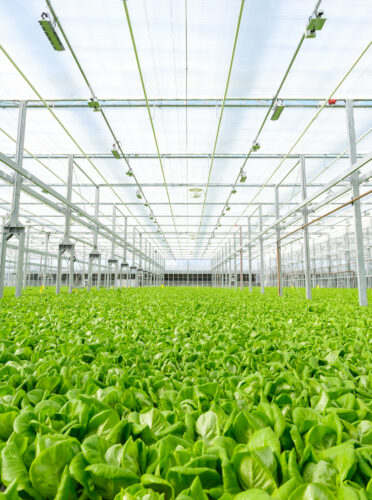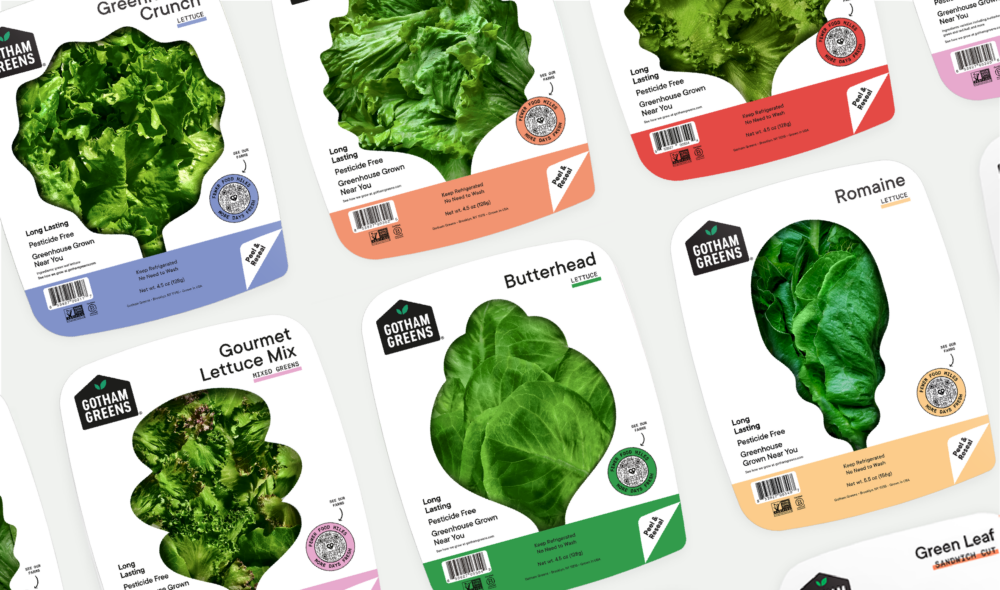
 Our salad greens and herbs last longer than field-grown leafy greens because we grow them in smart greenhouses across the U.S. and they spend fewer food miles traveling from our farms to your local grocery store. But there are ways to get even more mileage out of your fresh greens (if you don’t eat them right away). Here are some of our favorite tips to get the most out of fresh Gotham Greens produce.
Salad Greens
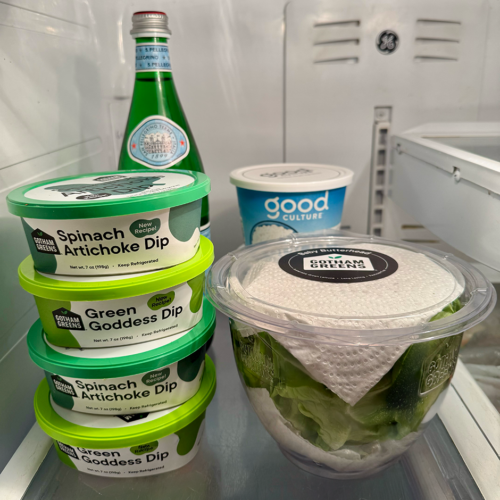 No Need to Wash
Our leafy greens are grown in a clean greenhouse and come ready to plate. Because of our indoor hydroponic growing methods, our greens are pesticide free and never encounter soil, dirt, manure or any chemical washing agents. Quality and shelf life are greatly improved when our greens remain unwashed. In fact, many people, including chefs, eat and serve our greens right out of the package, while others give them a quick rinse in the salad spinner. There is no need to wash them, but the choice is yours.
Create Greenhouse-like Conditions in Your Fridge
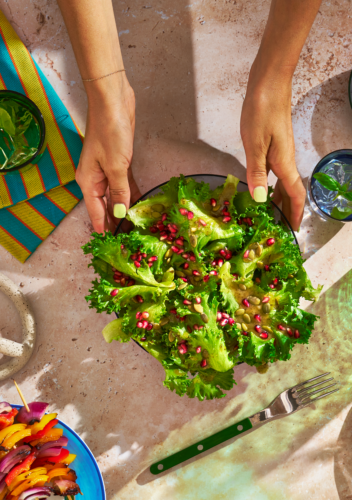 Keep your fridge temp cold but not freezing – around 34 to 38 degrees Fahrenheit. Leafy greens keep best in a high-humidity environment like the crisper drawer, which slows water loss and prevents wilting. Think of it like a greenhouse: humid air is good, wet leaves are bad. The placement of that dial on your crisper drawer matters, so turn it up!
Keep Separate from Apples, Pears, Avocados, and Tomatoes
These fruits produce high levels of ethylene – a natural plant hormone that can contribute to early spoilage of nearby produce, including leafy greens. So, keep your fruits in a different drawer or on a separate shelf.
Basil
 Store at Room Temp
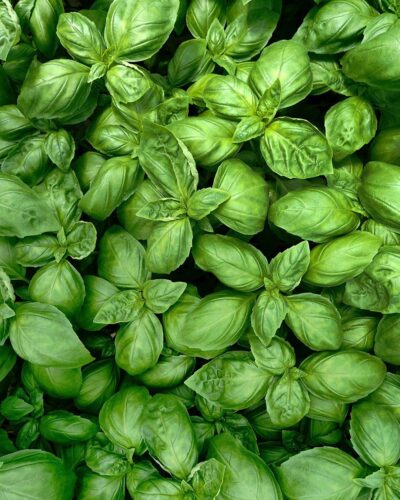
Basil is a very delicate herb and behaves more like cut flowers than other herbs. It prefers warm temperatures when it’s growing and after it gets harvested, so do not refrigerate. Instead, store it on the counter away from direct sunlight or in a wine fridge, if you have one, which has a higher temperature than a typical kitchen fridge.
Look to the Freezer
Freezing basil will preserve its flavor and color for up to six months. Blend with olive oil and pour into ice cube trays, or flatten leaves between sheets of parchment paper and place them in the freezer for your next batch of flavorful pasta sauce.